The ceiling fans whip above our heads at an alarming rate, trying to keep pace with the mid-afternoon humidity as those of us sampling afternoon tea on the veranda at the Amangalla Hotel in Galle attempt to tread the fine line between refinement and simply keeping cool, all while downing cups of hot tea.
It is a slightly nostalgic afternoon for a period of time of which I have no living knowledge. Anemoia, as my musician friend Yarni would say.
The building itself has lived several lives. Once the headquarters of the Dutch East India Company, later Galle’s first hotel under British rule, and now a quietly polished luxury stay.
Like many places on the island, Sri Lanka still carries clues of its European colonial past.
When travelling, there’s a long list of advice people give about how to find a good place to eat:
Eat where the locals eat
Avoid menus with photos
Look for short menus
Check Google reviews
Avoid restaurants with someone trying to pull you inside
All of that can be useful. But there’s another signal that’s quieter and surprisingly reliable.
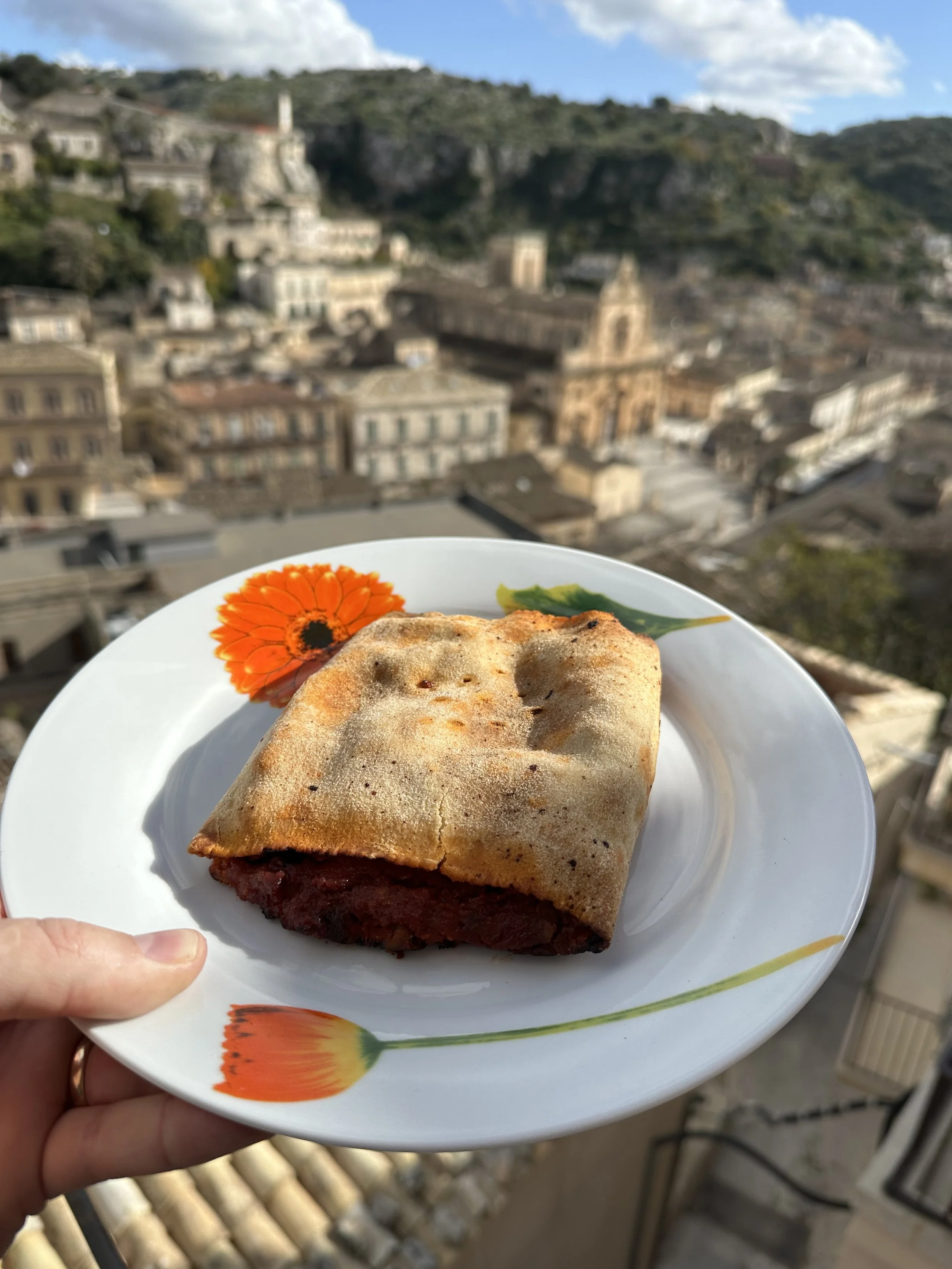
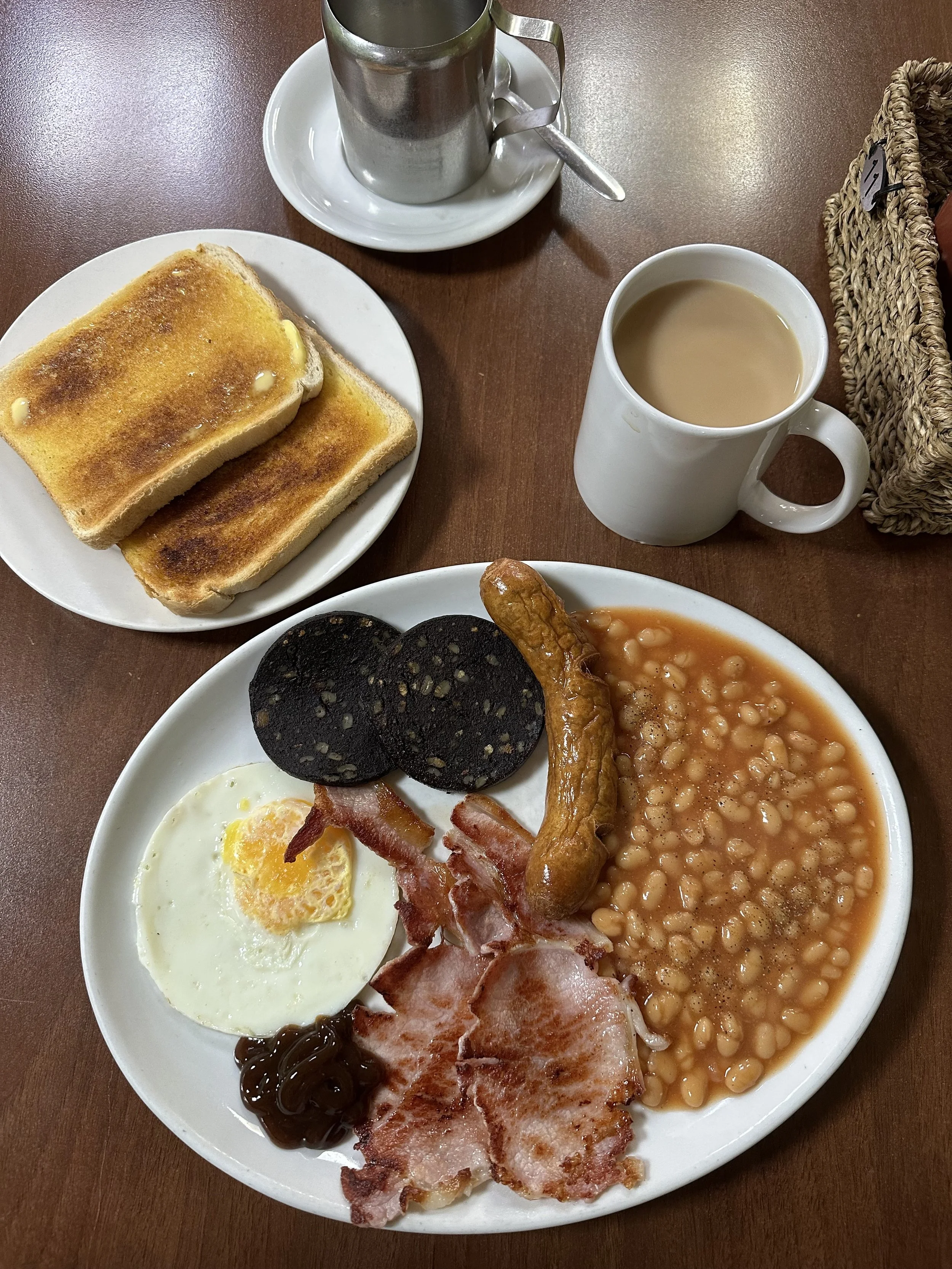
Look at the plates.
A loud rumble of a vehicle passes close to my right side as I walk along the dusty, dry street, narrowly avoiding uneven slabs of pavement and stepping over open drain covers.
Welcome to the hustle of southern Sri Lanka. A place where beautiful seas and beaches sit in uneasy tandem with the overcrowded coastal road. Where nature is in direct competition with humanity’s relentless pursuit of growth at all costs.
On a flight from Kuala Lumpur to Cebu, I look down and spot a cluster of small tropical islands off the coast of Borneo. All green jungle, ringed by white sand and clear turquoise water.
I wonder who is there, what it might be like. Within seconds I feel a pull towards them, stronger than anywhere else, despite having been unaware of them less than a minute before.